
Animation From Start To Finish
After years of working in the animation industry, I’ve refined a clear, reliable animation process. It begins with understanding the brief and generating ideas, followed by storyboarding. From there, I move into concept development, asset creation, and rigging, before bringing everything together in the final animation. This page outlines the step-by-step approach I typically use when tackling an explainer animation, though the same process applies to most long-form animation projects.
My Animtion Process
Research
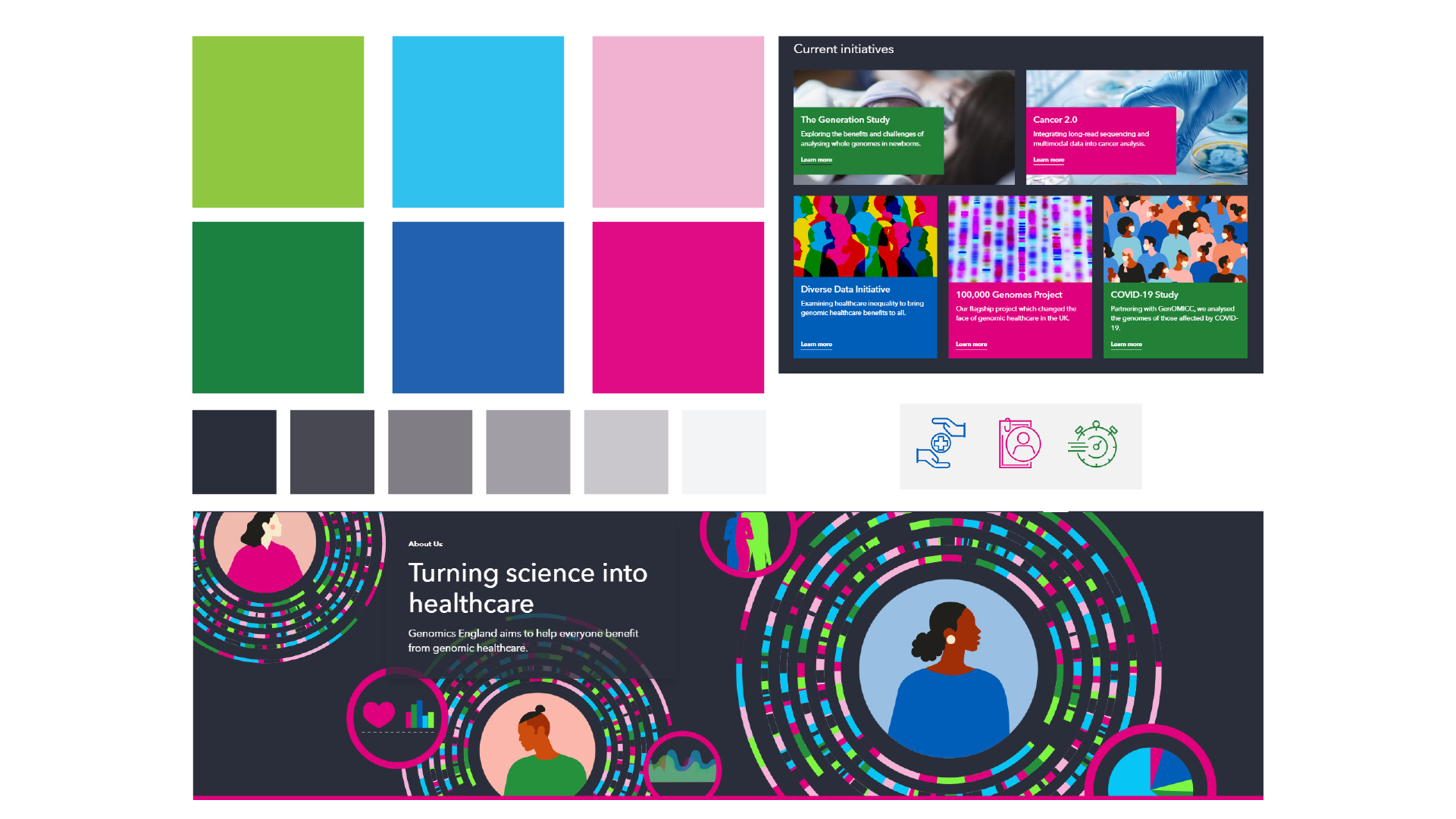
Once I receive the brief and script, I take time to understand the client and their brand. This includes reviewing any existing work, exploring their website, and getting a feel for their overall brand identity. If brand guidelines are available, I’ll work closely within them; if not, I create a mood board based on my research to establish a clear visual direction.
This stage is also when I dive into the subject matter of the animation. Fully understanding the topic is essential to ensure the animation communicates the information clearly and accurately. This research helps define the tone, identify the target audience, and highlight any additional influences or considerations that should shape the final piece.
Storyboard
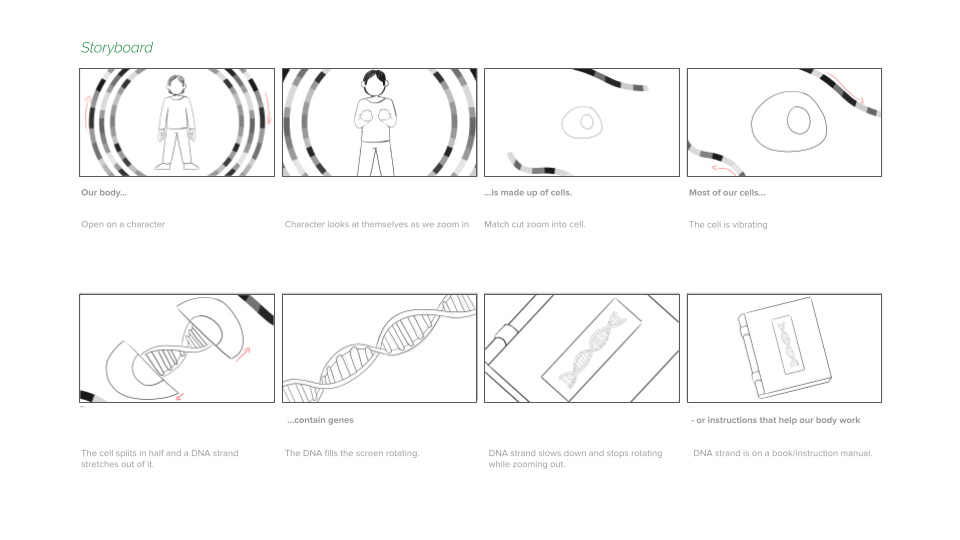
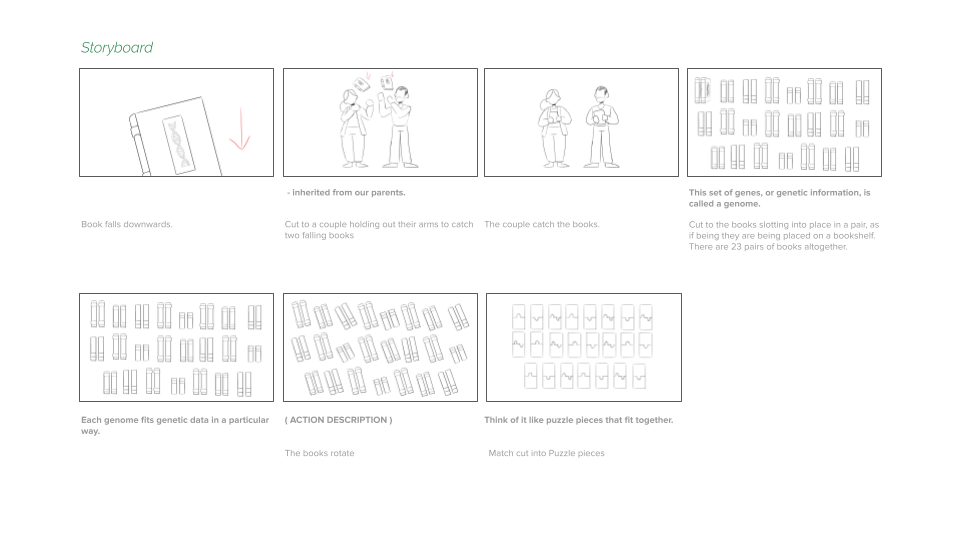
With a clear understanding of the client and the brief, I move on to the storyboard stage. I often refer to this as a sketch storyboard, as it’s where I quickly sketch out ideas for each frame to share with the client before moving into production.
I start by breaking the script down into thumbnail sketches in a sketchbook, allowing me to rapidly explore ideas and consider how each scene will flow into the next. Once I’m happy with the direction, I draw up the ideas with a little more detail in Procreate or Photoshop. These are still sketches, but presented in a clear, shareable format that can be easily adjusted based on client feedback. The storyboard goes through revisions until the content is approved and signed off.
Why is this stage important?
This stage allows us to explore concepts and ideas quickly while changes are still easy and cost-effective to make. It ensures we’re aligned creatively and structurally before committing time to detailed design and animation. It’s also where pacing, clarity, and visual storytelling decisions are made before any animation begins. Skipping or rushing this step could lead to complications later in the process, as changes become much harder to make once the animation is further developed.
Concept
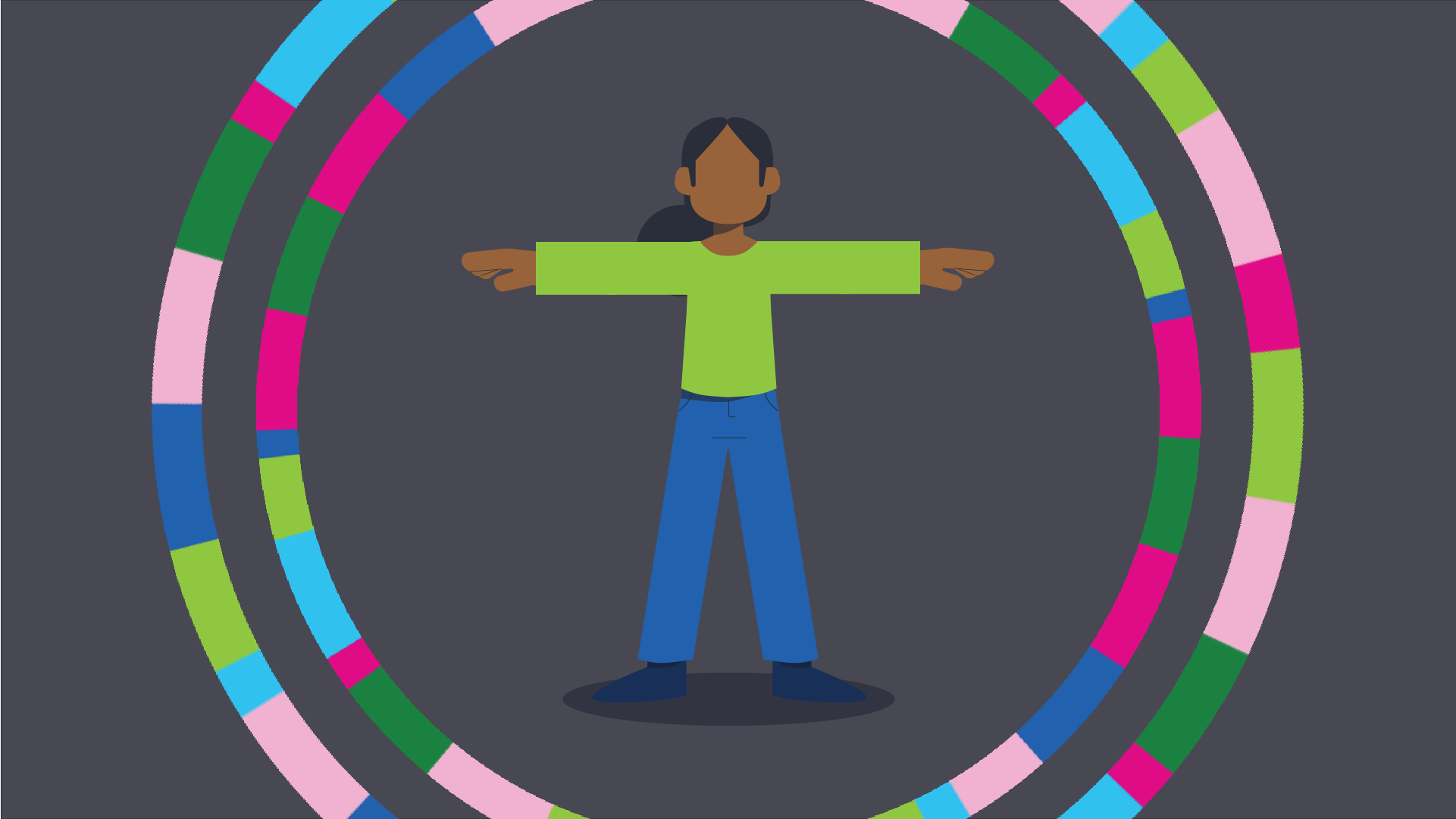



Alongside the storyboard, I provide concept frames to give the client a clear reference for the final look and feel of the animation. These frames typically explore colour, lighting, texture, and overall visual style, helping visualise the end result when reviewing the storyboard and ensuring the creative direction is clearly aligned.
This stage also gives the client an opportunity to provide feedback on the visual style before asset creation begins, helping to confirm the direction early and avoid unnecessary revisions later in the process.
Asset Creation
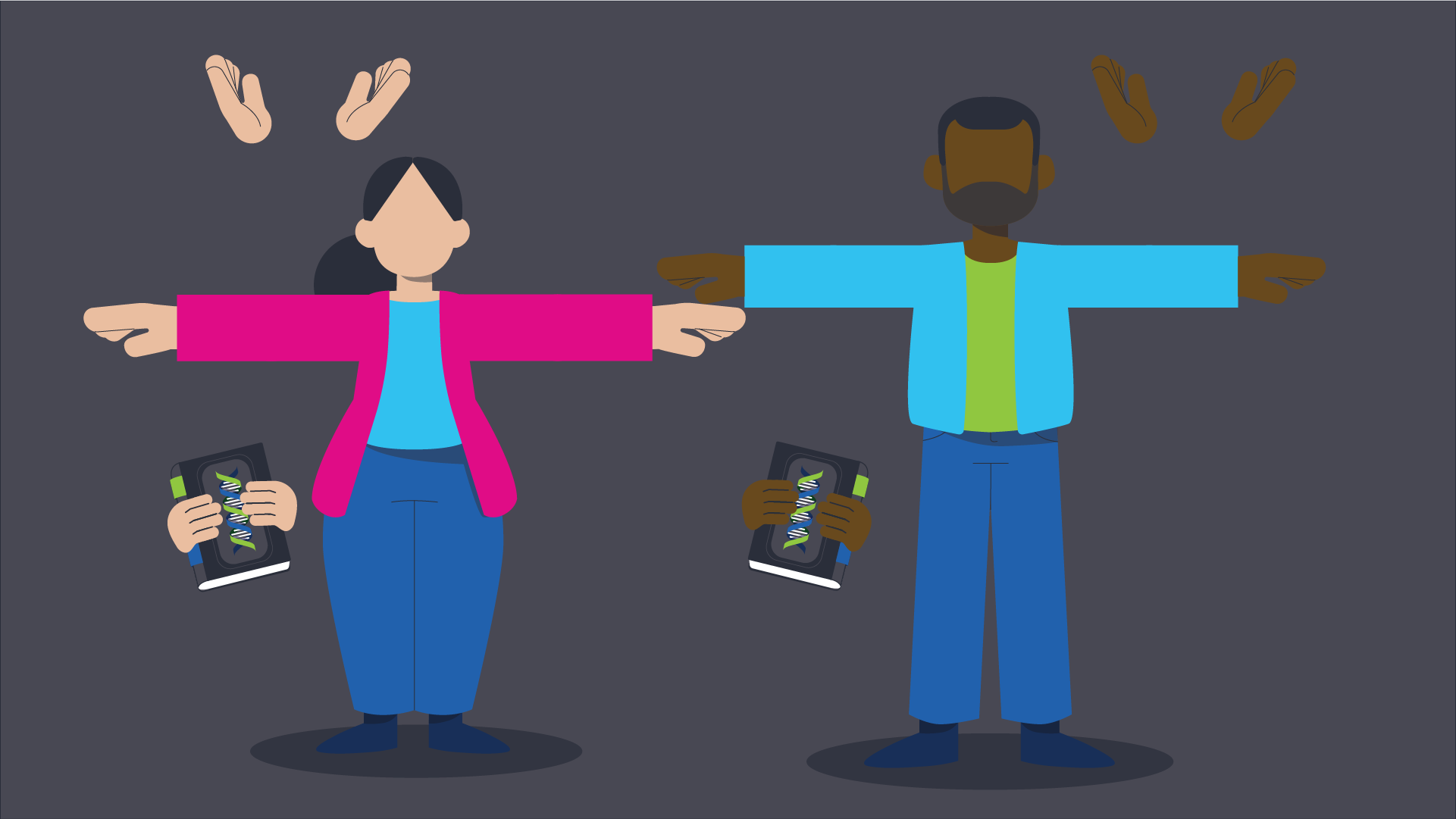
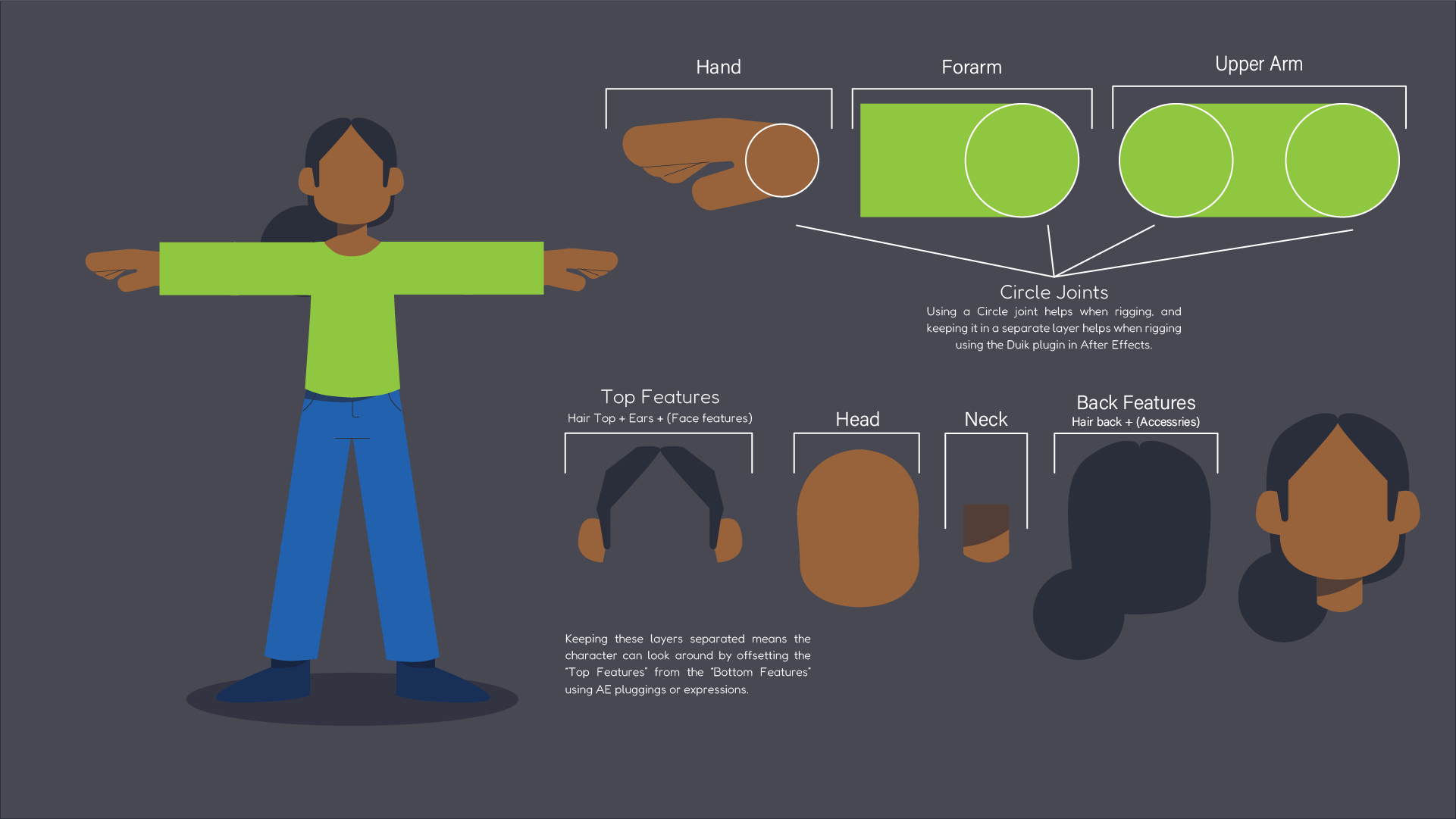
Once everything is signed off, I move into asset creation. Depending on the project style, I create assets in Adobe Illustrator or Photoshop, making sure all layers are clearly labelled and organised. This is especially important for characters, particularly full-body ones, since each limb and element needs to work with the character’s rig.
At this stage, I also provide a full-colour storyboard, showing the storyboard in the final style. This ensures the client can see the look and feel of the animation early and prevents any surprises before rigging and animation begin.
Animation
And last but not least, it’s the animation stage. This is whereall the hard work comes together in motion. Using the approved full-colour storyboard, I bring each scene to life, carefully refining timing and movement to ensure the animation flows smoothly and communicates the message effectively. Throughout the process, I keep the client updated with progress, so any feedback can be incorporated before the final render.